
A bathroom renovation is one of the most rewarding upgrades a Sydney homeowner can make but it can also become a costly regret if done wrong. From waterproofing failures to layout missteps, seemingly small oversights often lead to persistent leaks, mould, and structural damage. In a climate like Sydney’s where coastal humidity meets heritage housing precision matters. This guide walks you through the most common bathroom renovation mistakes, how to avoid them, and what local standards you need to follow for a compliant, long-lasting result.
Fast Facts for Sydney Bathroom Renovations
- Poor waterproofing is the #1 cause of post-renovation leaks
- NSW law requires licensed waterproofing under AS 3740
- Incorrect drainage fall can cause long-term structural damage
- Ventilation and proper tile choice matter in humid Sydney conditions
- Cheap trades often result in expensive rework
- Compliance errors can void your insurance or warranty
Why Do So Many Sydney Bathroom Renovations Fail?
Homeowners are often surprised to find that bathrooms renovated just a few years ago already show signs of failure. So, what goes wrong?
Is lack of planning the root cause?
Yes, rushing into renovations without detailed planning is one of the biggest reasons projects fail.
Whether it’s ignoring drainage fall, skipping moisture testing, or underestimating costs, cutting corners during the planning stage leads to issues later. Many Sydney homes particularly older ones in suburbs like Balmain, Randwick, or Inner West have hidden structural quirks that require a thorough pre renovation inspection.
What role do licensed professionals play?
They’re essential especially for waterproofing and plumbing.
NSW regulations require waterproofing to be performed by a licensed technician under AS 3740. DIY efforts or unlicensed work may not only void your home warranty insurance but often fail prematurely. Always verify credentials through NSW Fair Trading.
Most Costly Bathroom Renovation Mistakes to Avoid
Let’s break down the most common and expensive errors homeowners make when renovating bathrooms in Sydney.
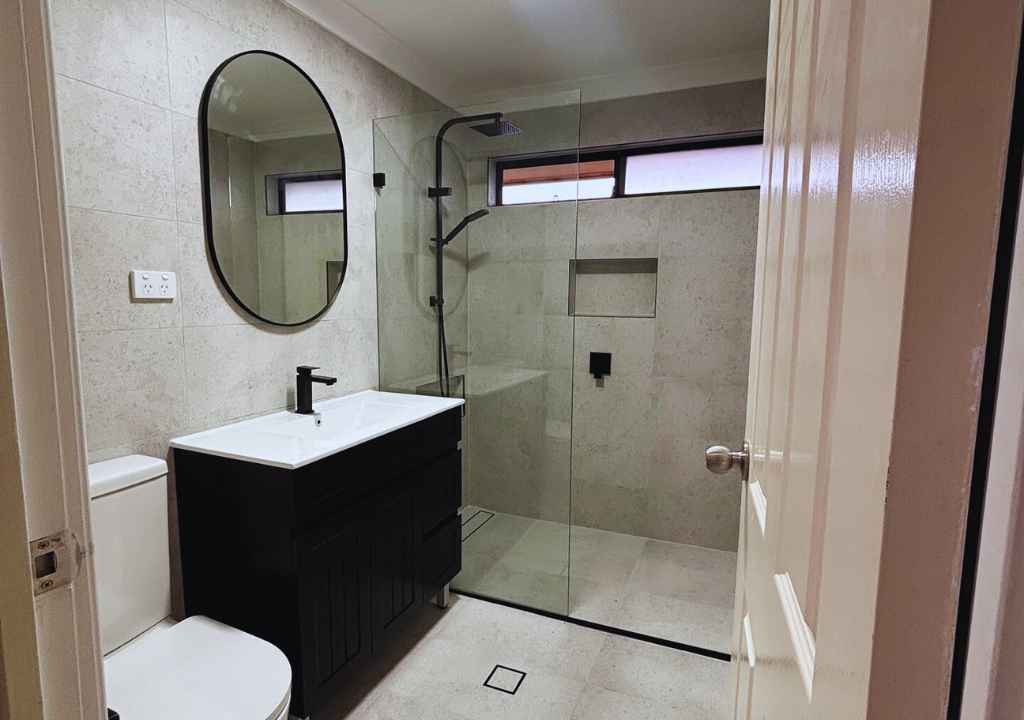
Does poor waterproofing cause leaks?
Yes, it’s the number one reason bathrooms fail in Sydney.
More than 80% of post-renovation leak complaints involve membrane failure. In many older Sydney homes, non-compliant waterproofing or rushed applications lead to damp subfloors and mould growth within months. When renovating, prioritise licensed bathroom waterproofing in Sydney to ensure your renovation is watertight and compliant with AS 3740. Waterproofing should include Class III membranes and follow best practices like using primer and bond breakers at wall-floor junctions.
Is ignoring fall-to-drain a serious mistake?
Absolutely, improper drainage causes long-term water damage.
Your bathroom floor must be correctly sloped so water flows into the waste. If fall to drain is ignored especially around walk-in showers or wet zones water will pool, undermining grout, loosening tiles, and seeping into the substrate. Proper tile gradients and drain positioning must be planned and tested before tiling begins.
Can incorrect tile choice backfire?
Yes, especially if aesthetics outweigh functionality.
Using porous tiles on floors or walls exposed to daily moisture can trap water and encourage mould. Some stone tiles also need regular sealing. For Sydney bathrooms, opt for low-porosity porcelain or ceramic tiles that meet slip ratings and waterproofing compatibility.
Do people underestimate ventilation?
Yes, poor airflow leads to condensation and mould.
Sydney’s humidity, especially in coastal suburbs, amplifies the need for proper bathroom ventilation. Without it, even correctly waterproofed bathrooms develop surface mould. Install an appropriately sized exhaust fan, and consider louvre or awning windows to support passive airflow.
Can saving on trades cost more later?
Definitely, cheap, rushed trades often require expensive rework.
Unqualified installers may skip crucial steps like sealing joints or applying primer before membranes. To ensure quality, choose experienced specialists who focus on bathroom renovations in Sydney and understand local housing nuances. Ask for references, warranty terms, and examples of prior work.
Design & Layout Mistakes That Impact Functionality
Beyond waterproofing and materials, poor design choices can make your bathroom inconvenient or non-compliant.
Is spacing often overlooked?
Yes, cramped layouts are a common issue in Sydney homes.
In smaller bathrooms, like those in older terrace homes, poor fixture spacing leads to awkward use and reduced accessibility. Always follow minimum clearance guidelines and visualise use flow. If you’re planning small bathroom renovations in Sydney, layout planning is even more critical.
Can you skip niche or storage planning?
No, a lack of storage makes even beautiful bathrooms frustrating.
Built-in niches, mirrored cabinets, or custom vanities enhance both style and function. Don’t leave storage as an afterthought plan it from the outset. Consider vertical wall space and hidden compartments to maximise utility.
Are luxury features ever a mistake?
Only when they aren’t supported by structure or layout.
Heated towel rails, walk-in showers, or underfloor heating are great, but not in every space. For instance, a frameless shower in a poorly sloped room often leads to splash and leaks. Match features to the room’s drainage, waterproofing, and available space.
Regulatory and Compliance Errors in NSW Bathrooms
Understanding legal requirements is key to a safe and insurable renovation.
What waterproofing rules apply in NSW?
All waterproofing in wet areas must comply with AS 3740 and be completed by a licensed technician.
This includes at least 150mm up walls and 25mm over shower hobs or lips. Failure to meet these standards can void your warranty and attract regulatory issues.
Is waterproofing covered by warranty?
Yes, licensed waterproofers must provide a written certificate and are subject to a 6-year major defect warranty under the Home Building Act.
Be sure to get documentation at handover.
Can insurance reject a claim for faulty renovations?
Yes, if the work was unlicensed, non-compliant, or poorly maintained.
Insurers may deny cover if you didn’t hire the right trades or if defects weren’t addressed. Keep all receipts and licences on file for proof.
What to Do Before Starting a Renovation in Sydney
Renovating the right way begins before you even touch a tile.
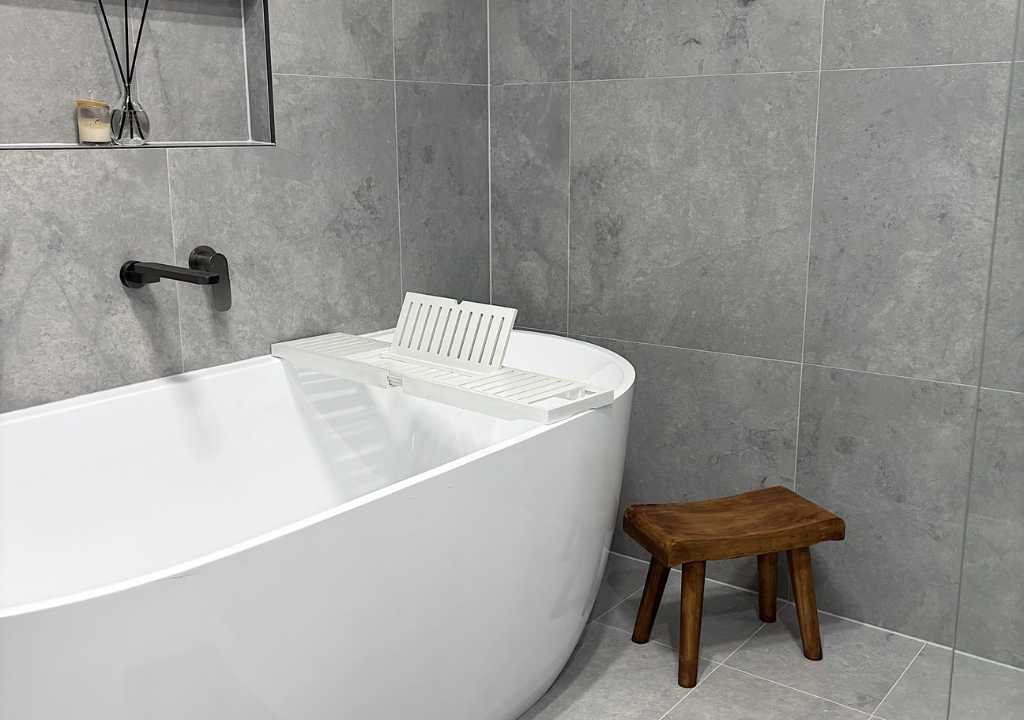
What are the key prep steps?
- Moisture testing: Check walls and floors for trapped dampness
- Drainage plan: Confirm correct fall to waste before tiling
- Compliance check: Ensure layout, materials, and waterproofing meet NSW code
- Budget allowance: Leave 10–15% buffer for unforeseen repairs or delays
- Hire qualified trades: Insist on waterproofing licences and insurance coverage
By setting the right foundation, you reduce the risk of costly redos and compliance breaches.
Thinking Ahead | How to Renovate for Long-Term Durability
A lasting bathroom is one that stays dry, functional, and beautiful.
What makes a bathroom renovation truly future-proof?
- Waterproofing done by licensed professionals only
- Drains and tile gradients that follow best practice
- Materials chosen for moisture resistance
- Layout that prioritises both flow and access
- Storage and ventilation factored in from the start
Many homeowners now include leak audits as part of their project especially when upgrading older spaces. If your home falls into this category, a full renovation may be more cost-effective than patchwork fixes. Our team at Empire Tiles specialises in leak preventive bathroom renovations tailored to Sydney’s conditions.
Avoiding Renovation Mistakes in Sydney Bathrooms
Can I waterproof my bathroom myself in NSW?
No, waterproofing must be done by a licensed contractor in NSW.
DIY waterproofing is illegal and non-compliant under AS 3740. Always hire a licensed professional and request a waterproofing certificate for insurance and warranty purposes.
How can I tell if my bathroom has a leak?
Signs include damp smells, loose tiles, bubbling paint, or mould growth.
Other indicators might include water pooling after showers or discolouration on ceilings below the bathroom. An infrared moisture test can confirm the source.
How long should a new bathroom renovation last?
A professionally done bathroom should last 15–20 years with proper care.
Leaks or structural issues within a few years are signs of poor installation or materials. Follow a regular maintenance plan and check seals, grout lines, and ventilation annually.
6 Essentials for Leak Proof Bathroom Renovations
- Always use a licensed waterproofing professional – it’s the law in NSW and critical for longevity.
- Never compromise on fall-to-drain and moisture testing
- Get drainage slope and waste positioning right – improper fall causes pooling and hidden leaks.
- Pick tiles with moisture-resistance and low porosity – style matters, but performance matters more.
- Plan ventilation and storage upfront – these affect long-term usability and mould prevention.
- Don’t cut corners on trades – expertise saves money by preventing costly mistakes.
Renovate Smart, Stay Leak Free
In Sydney, a smart bathroom renovation isn’t just about good design it’s about building resilience against leaks, moisture, and poor workmanship. Avoiding the common mistakes above can save you thousands down the track.
By working with trusted, licensed experts and following NSW regulations, your bathroom will not only look great, it will last. To explore tailored options that ensure waterproofing, drainage, and layout all meet the mark, browse our luxury bathroom renovations in Sydney or reach out to our team for a consultation.
Verified Guidelines & Trusted References
- NSW Fair Trading: Waterproofing Licensing and Standards
- AS 3740 – Australian Standard for Waterproofing of Domestic Wet Areas
- Home Building Act 1989 (NSW): Major Defects and Warranty Periods – NSW Government Legislation

