
Bathroom waterproofing is a crucial safeguard against water damage, mould, and costly structural repairs especially in Sydney’s changeable climate. With high humidity, seasonal storms, and building regulations specific to NSW, getting waterproofing right isn’t just good practice it’s required by law.
This guide explains everything Sydney homeowners need to know, including why waterproofing matters, what areas need protection, legal standards like AS 3740, and common pitfalls to avoid. Whether you’re renovating in the Inner West or building new in the Northern Beaches, this article will help you make informed, compliant decisions that protect your investment long term.
Why Waterproofing Matters in Sydney Bathrooms
What is bathroom waterproofing?
Bathroom waterproofing is the process of applying protective membranes to prevent water from seeping into floors and walls.
It’s essential in all wet areas, particularly showers, baths, and bathroom floors. A professionally applied waterproofing system creates a moisture barrier that protects your home’s structure and prevents costly water-related damage.
Why is waterproofing critical in Sydney homes?
Yes, Sydney’s weather and construction styles make proper waterproofing essential.
Sydney’s climate includes high humidity, sudden downpours, and temperature fluctuations all of which can stress bathroom materials. Additionally, many older homes in suburbs like Balmain or Newtown have timber flooring or mixed substrates that are vulnerable to water ingress.
Legal Requirements and Australian Standards
Do I need a licensed waterproofer in NSW?
Yes, all waterproofing work in NSW must be completed by a licensed contractor.
According to NSW Fair Trading, waterproofing in bathrooms is classified as specialist work under the Home Building Act 1989. Only licensed waterproofers can carry out or supervise this type of work.
What are the AS 3740 waterproofing standards?
AS 3740 is the Australian Standard for internal wet area waterproofing.
It defines the materials, methods, and coverage areas for compliant bathroom waterproofing. Under AS 3740, the following must be waterproofed:
- Entire shower floor and at least 1800mm up the wall
- Bathroom walls to a height of at least 150mm above the floor level
- All bathroom floors where water may collect
- Splash zones around baths and vanities
- Wall/floor junctions and movement joints
Reference: AS 3740: Waterproofing of Domestic Wet Areas – Australian Standards
What happens if waterproofing is not up to code?
Non-compliant waterproofing can result in building defects, insurance disputes, and legal liability.
Poorly waterproofed bathrooms are one of the top causes of strata claims and owner-builder disputes in NSW. Issues may include structural rot, electrical hazards, and even mould litigation especially in multi-storey dwellings.
The Bathroom Waterproofing Process Explained
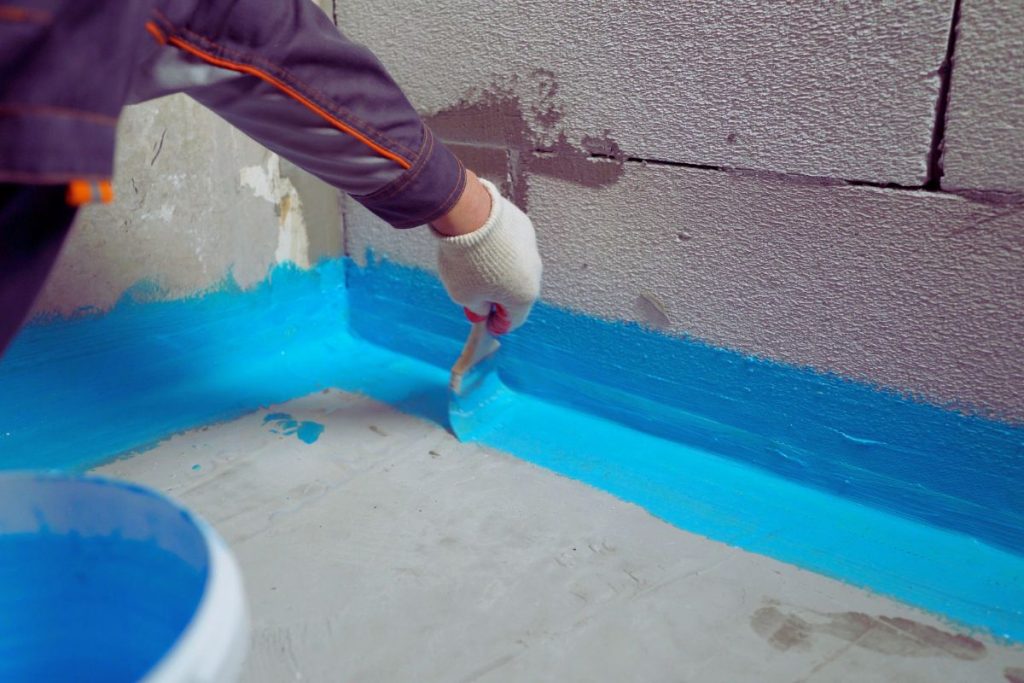
What areas need waterproofing in a bathroom?
All wet zones must be sealed against water penetration.
This includes:
- Shower floors and walls
- Entire bathroom floor (if over a timber subfloor or above another dwelling)
- Wall/floor junctions
- Bath surrounds
- Any horizontal surfaces exposed to water (e.g. vanity tops, ledges)
How long does waterproofing take?
Typically, 2–3 days are needed for full application and drying.
Day 1 involves surface preparation and primer application. Day 2 includes two coats of membrane. Drying time varies by product most membranes require 24 hours to cure before tiling can begin.
Can I waterproof a bathroom myself in Sydney?
No, DIY waterproofing is not legally permitted in NSW unless you are a licensed applicator.
Even if a renovation is otherwise exempt from council approval, waterproofing must be performed or supervised by a certified tradesperson and documented for warranty and compliance purposes.
Additional Waterproofing Requirements Sydney Homeowners Should Know
What types of membranes are used?
Two main types are used: liquid membranes and sheet membranes.
Liquid membranes are applied with rollers or brushes and cure into a flexible layer. Sheet membranes (like PVC or rubber) are pre-formed and bonded to surfaces. The choice depends on the project scope, surface type, and contractor preference.
What waterproofing documentation should I receive?
You should be given a written certificate of compliance and warranty upon completion.
This may be requested by insurers or certifiers, especially in apartment buildings. Keep this documentation safe for future resale or renovation records.
Are there council requirements in Sydney for waterproofing?
Yes, especially for heritage homes or multi-dwelling developments.
While waterproofing often doesn’t require separate council approval, major renovations might. Always check with your local council’s planning portal or builder to confirm whether your project falls under exempt development or needs a Complying Development Certificate (CDC).
Common Waterproofing Failures and Their Consequences
What causes waterproofing to fail?
Improper surface prep and shortcuts during installation are the top causes of failure.
Typical reasons include:
- Inadequate priming
- Using incompatible tile adhesives
- Applying membranes too thin
- Rushing cure times before tiling
- Skipping movement joint treatment
What signs indicate a waterproofing problem?
Look for bubbling paint, damp smells, or water stains outside the bathroom.
Other indicators include:
- Mould growing around skirtings or in adjoining rooms
- Cracked or lifting floor tiles
- Water pooling near door thresholds
How can these issues affect property value?
Severe water damage can significantly devalue a home and complicate resales.
In Sydney’s competitive housing market, waterproofing defects often appear in pre-purchase building reports. This can lead to renegotiations, buyer drop-off, or costly repairs before listing.
Best Practices and Expert Tips
Should I combine waterproofing with a renovation?
Yes, it’s ideal to integrate waterproofing during a full bathroom renovation.
This allows membranes to be applied without disruption and ensures compatibility with new surfaces and fixtures. If you’re renovating, choose a licensed contractor who offers both bathroom renovation services and waterproofing expertise in Sydney.
How do I choose a qualified waterproofer in Sydney?
Look for:
- NSW licence number and insurance
- Experience with AS 3740 compliance
- Product warranties on membranes (typically 7–10 years)
- Referrals from trusted tilers or renovation specialists
What warranties should I expect with waterproofing work?
You should receive a written waterproofing certificate and warranty.
This is often required by insurers or strata bodies, especially for apartments. Most membrane products also carry manufacturer warranties if applied by accredited contractors.
Cost Considerations
How much does bathroom waterproofing cost in Sydney?
Expect to pay between $500 and $1,500 depending on bathroom size and complexity.
Pricing is influenced by:
- Total m² of membrane application
- Type of membrane (liquid vs sheet)
- Accessibility and substrate preparation
- Whether part of a full renovation or standalone job
Is waterproofing covered by insurance or finance?
Sometimes — if tied to structural works or required after water damage.
Some home insurance policies cover repairs from waterproofing failures but rarely cover the initial installation. Waterproofing costs can also be bundled into a renovation loan or bathroom package, particularly for larger remodels.
Do I need a licensed waterproofer in Sydney?
Yes, waterproofing must be done by a licensed professional in NSW.
This is a legal requirement under the Home Building Act 1989.
What areas of a bathroom need waterproofing?
Shower walls, floors, bath surrounds, and wet floor zones all need waterproofing.
Especially when timber substrates or upper-floor bathrooms are involved.
How long does bathroom waterproofing take?
Typically 2–3 days, including drying time.
Proper curing is essential before tiling to ensure membrane integrity.
What are signs of waterproofing failure?
Mould, damp smells, peeling paint, and water stains near the bathroom.
Is waterproofing included in a full bathroom renovation?
Yes, professional renovations should include certified waterproofing.
Always request documentation as part of your handover package.
Protect Your Home with Certified Waterproofing
Waterproofing is not optional — it’s one of the most important investments you can make in a Sydney bathroom renovation. With strict compliance requirements under NSW law, variable weather, and rising repair costs, getting it right the first time is non-negotiable.
Key Takeaways:
- Always use a licensed waterproofer in NSW
- Follow AS 3740 standards for full coverage
- Prioritise high-quality membranes and drying times
- Integrate waterproofing with bathroom renovations in Sydney
- Ask for warranties and documentation
For complete support, explore our ensuite bathroom renovations or luxury bathroom remodeling and renovations that include full waterproofing solutions.

