
Moving plumbing in a Sydney bathroom sounds simple, but it’s one of the most expensive and disruptive parts of a renovation. It involves more than shifting fixtures—you’re altering drainage systems, pipework, waterproofing, and even structural surfaces. For many Sydney homeowners, the true cost often comes as a surprise.
In this guide, we break down what it really costs to move bathroom plumbing in Sydney, what factors influence pricing, when it’s worth it, and when to avoid it. If you’re planning a layout change, this article will help you budget smartly and make renovation decisions that align with both building regulations and long-term value.
Why Homeowners Consider Moving Plumbing
What does ‘moving plumbing’ actually mean?
Moving plumbing means relocating key fixtures like toilets, vanities, showers, and bathtubs from their original plumbing points.
This usually involves extending or re-routing water supply lines and waste pipes to accommodate a new layout. It also affects floor substrates, waterproofing, and tiling.
Why do people want to move plumbing fixtures?
Yes, layout and usability are the biggest reasons.
Homeowners often want to maximise floor space, improve natural light, or create more accessible designs—especially in tight or outdated bathrooms.
Is it always necessary to move plumbing in a renovation?
No, many effective bathroom upgrades can be done without moving plumbing.
Keeping fixtures in place is the most cost-efficient route, and you can often modernise the space through surface-level changes in small bathroom remodel like retiling, new cabinetry, or updated tapware.
Factors That Affect Plumbing Relocation Costs
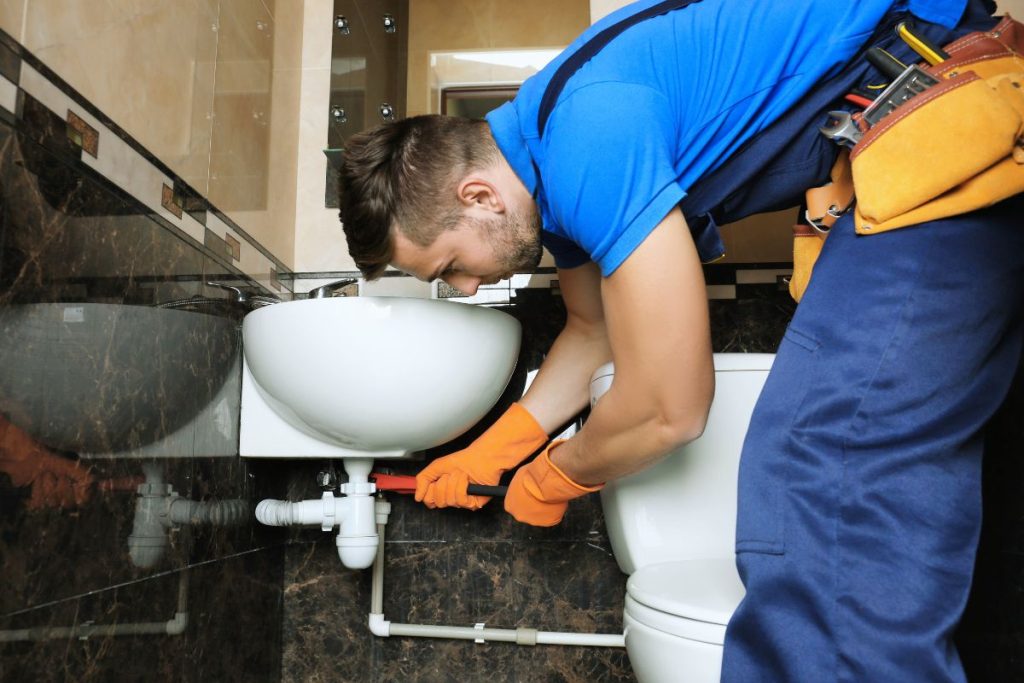
What determines the cost of moving bathroom plumbing in Sydney?
Several variables drive up costs. Key factors include:
- Type of fixture being moved (toilet, basin, shower)
- Floor type (concrete slab vs timber subfloor)
- Wall construction (brick vs plasterboard)
- Access and distance from existing drainage
- Labour rates and licensing requirements
How does property type impact cost?
Yes, units and heritage homes often cost more.
In apartments, strata restrictions and limited access can make even simple jobs more complex. Heritage-listed homes may also require council approval and careful material handling.
Do heritage homes in Sydney cost more to reconfigure?
Yes, additional compliance and construction constraints increase cost.
Homes in older suburbs like Glebe, Annandale, or Paddington may have brittle pipework, uneven floors, or asbestos, all of which demand specialised handling.
Cost Breakdown: Sydney Pricing Data
How much does it cost to move a toilet, shower, or basin?
Expect to pay $1,000–$3,500 per fixture in Sydney.
Here’s a typical cost breakdown:
- Toilet relocation: $1,200–$2,800
- Shower drain and mixer: $1,500–$3,500
- Vanity basin and tapware: $900–$2,200
These figures include plumbing labour, rough-in and fit-off, waterproofing rework, and patch repairs.
Are there hidden or additional costs?
Yes, many. Watch out for:
- Waterproofing updates ($400–900)
- Retiling ($70–120/m²)
- Structural modifications (cutting concrete or joists)
- Waste disposal and asbestos removal
When does the cost increase significantly?
Major increases happen with structural changes or regulatory constraints.
This includes moving plumbing across floors, breaching load-bearing walls, or when strata requires formal sign-off for apartments.
Regulatory and Compliance Requirements
Do I need council approval to move plumbing in Sydney?
No, not always — but some projects require it.
For example, moving plumbing in a freestanding home is generally considered exempt development. But in strata buildings or heritage zones, council approval may be mandatory.
Does my plumber need to be licensed?
Yes, all plumbing work in NSW must be carried out by a licensed plumber.
NSW Fair Trading requires compliance certificates to be issued for any regulated plumbing activity.
Are there waterproofing or certification rules I need to follow?
Yes, waterproofing must comply with AS 3740.
If the floor or wall membrane is disrupted during plumbing work, it must be re-applied and certified by a licensed waterproofer. For more information you can read our guide on bathroom waterproofing in Sydney.
When Is It Worth Moving Plumbing — And When It’s Not
When does plumbing relocation add value?
It adds value when it solves major design or usability problems.
Remodelling a bathroom can dramatically improve liveability and appeal, especially in investment properties or long-term family homes.
When should you avoid moving plumbing?
Avoid it when the ROI is low or the changes are minor.
If you’re on a tight budget or planning to sell soon, simple upgrades that retain existing plumbing points may yield better value.
Expert Tips for Budget-Friendly Layout Changes
Can I change the layout without moving major fixtures?
Yes, smart storage and tiling can transform the space.
Use mirrored cabinets, floating vanities, and clever lighting to open up the room without re-routing plumbing.
Should I consult a designer or plumber first?
Yes, involving both can save you thousands.
Designers optimise layout; plumbers identify hidden risks. For best results, work with a licensed bathroom renovation specialist who handles both.
What’s the best way to plan for plumbing during renovation?
Include contingency in your budget for hidden issues
Start with a floor plan — mark existing plumbing
Get a plumbing inspection before demolition
Quick Answers
Is it expensive to change a bathroom layout?
Yes, if plumbing needs to be moved.
Keeping fixtures in place significantly reduces costs.
Can you move plumbing in an apartment bathroom?
Yes, but strata approval and limited access make it more complex.
You’ll also need to work within structural and fire rating rules.
Who should I hire to move bathroom plumbing?
Only licensed plumbers under NSW Fair Trading regulations.
Always request a compliance certificate after work is completed.
Plan Smart Before You Move Any Pipes
Moving plumbing in a Sydney bathroom isn’t a small job — but it can be worthwhile when done for the right reasons. Understand your home’s structure, get multiple quotes, and don’t underestimate the role of waterproofing, council rules, and repair costs.
If you’re planning a renovation, speak to a licensed team that handles bathroom redesigns and plumbing from start to finish.
Key Takeaways:
- Moving plumbing can cost $1,000–$3,500 per fixture in Sydney
- Heritage homes and apartments increase cost and complexity
- Council approval is not always required, but strata often is
- Waterproofing must be redone after major changes
- Save money by optimising layout without moving pipes

