
Sydney bathrooms commonly leak due to failed waterproofing, cracked grout, and poor drainage design. This is particularly true for older homes or renovations completed without licensed trades. In Sydney’s damp coastal climate, even minor moisture issues can result in major structural problems, including timber rot, mould, and expensive remediation. Understanding the root causes and knowing how to address them properly can protect your home and wallet.
Why leaks are so prevalent in Sydney bathrooms, how to detect early warning signs, and what you can do to prevent long-term damage. You’ll also learn about the waterproofing rules under NSW building codes, helping you renovate the right way.
Top Reasons Sydney Bathrooms Leak
- Failed waterproofing membrane due to poor application or age
- Cracked grout or tiles that let water seep beneath
- Hidden pipe or fixture leaks, often behind walls
- Incorrect floor slope, causing water to pool
- Non-compliant or rushed renovations that cut corners
These issues are common in heritage homes and older buildings across suburbs like Marrickville, Leichhardt, and Newtown.
The Cost of Bathroom Leaks in Sydney Homes
Can water leaks cause major damage?
Yes, water leaks can weaken structure, grow mould, and lead to unsafe conditions.
Timber swelling, peeling paint, floorboard warping, and damp subfloors are signs the problem is spreading. Moisture trapped behind tiles may cause serious deterioration over time.
According to NSW Fair Trading, waterproofing defects are one of the most reported issues in home builds.
Are leaks covered by NSW home insurance?
Sometimes, but not always.
Leaks from unlicensed work, poor maintenance, or DIY jobs are often excluded. However, if the issue is due to poor workmanship or faulty materials, it may be covered under the six-year major defects warranty required by NSW law.
Most Common Causes of Leaks in Sydney Bathrooms
Understanding the source of leaks is essential for a lasting fix. In Sydney’s climate, several recurring issues plague bathroom spaces.
Is waterproofing failure the most common cause?
Yes, over 80% of bathroom leaks come from poor or missing waterproofing.
Many older Sydney bathrooms lack compliant waterproof membranes or have installations that didn’t follow AS 3740 standards. Only licensed waterproofers can legally carry out this work in NSW. If the root cause of your bathroom leak is membrane failure, it’s essential to engage licensed specialists for bathroom waterproofing ensuring full compliance with AS 3740 and long-term structural protection.
Do tile cracks or grout erosion lead to water ingress?
Yes, they compromise the seal and allow slow leaks.
Over time, grout breaks down and tiles can shift. Water then bypasses the surface and reaches substrates or framing. Regrouting or retiling may be needed.
Does silicone degradation cause small leaks?
Yes, especially around baths, vanities, and shower glass.
Silicone has a 5–10 year lifespan. Once it begins peeling or cracking, it loses its seal. Reapplying silicone is quick but must be thorough to work.
Are hidden plumbing leaks a frequent issue?
Yes – and they can cause widespread damage before detection.
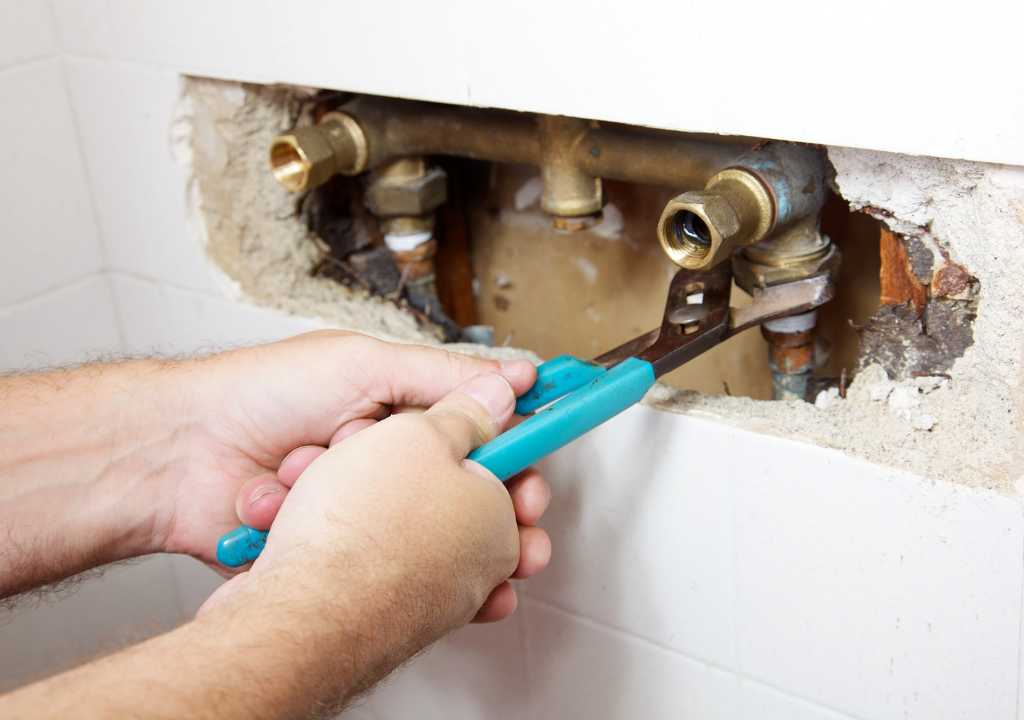
Taps, mixers, and in-wall plumbing can leak behind tiles for months. You might only notice swelling skirtings, stains, or damp smells. Licensed plumbers use tools like moisture sensors and thermal cameras to detect them.
Can poor fall-to-drain design cause water problems?
Yes, if floors don’t slope correctly, water won’t drain and can pool.
This is a major issue in poorly planned or DIY builds. Pooled water damages grout lines, subfloors, and joints. Fixing it often involves re-levelling the floor base.
Early Signs Your Bathroom May Be Leaking
Leak symptoms aren’t always obvious right away. Here’s how to spot them before the damage escalates.
What should homeowners look for?
- Peeling paint near bathroom walls or ceilings
- Warped flooring or soft spots
- Persistent damp smell
- Mould or mildew growth around tiles
If your bathroom shows any of these symptoms especially in older Sydney homes it’s wise to investigate further.
When is professional help necessary?
Immediately if you detect moisture damage, mould, or soft subfloors.
A licensed tradesperson can assess the issue, recommend compliant repairs, and help you avoid voiding insurance. Leak assessments are also smart before buying or selling.
How to Repair a Leaking Bathroom Correctly
Fixing a bathroom leak in Sydney involves more than sealing cracks. Here’s the proper step-by-step approach.
What’s the right way to fix a bathroom leak?
- Identify the leak using professional equipment
- Remove all damaged tiles and compromised substrate
- Install compliant waterproofing to AS 3740
- Re-tile and reseal using correct grout and silicone
- Address any underlying plumbing or structural issues
Can I DIY waterproofing in NSW?
No – it must be completed by a licensed professional.
In NSW, it’s illegal to apply waterproofing membranes in wet areas unless you’re licensed. DIY work not only fails early—it may breach insurance terms and building codes.
For peace of mind, always work with contractors certified by NSW Fair Trading.
How to Avoid Future Bathroom Leaks in Sydney Homes
A proactive approach can reduce risks in both new and renovated bathrooms.
What steps reduce long-term leak risks?
- Use flexible grout and regrout every 5–7 years
- Replace silicone when signs of wear appear
- Ensure correct drainage fall before laying tiles
- Have plumbing inspected regularly
- Choose licensed trades for all wet area work
If you’re renovating an older bathroom, consider starting with a full leak audit. This helps you catch hidden problems early. For a more comprehensive solution, our bathroom renovation services in Sydney focuses on long-term durability and leak prevention.
Does Your Bathroom Need Leak Repairs or Renovation?
In many Sydney homes, persistent leaks are a symptom of outdated design or ageing materials. Fixes may range from spot repairs to full bathroom upgrades.
What are the signs to take urgent action?
Act quickly if you see swelling, peeling, damp smells, or visible mould.
These problems don’t fix themselves. Waiting will only increase repair scope and cost. Depending on the extent, a full bathroom renovation may be needed to restore structural integrity.
Your Questions About Sydney Bathroom Leaks
How long does proper waterproofing last?
10 to 15 years, provided it’s installed correctly and maintained.
High-use areas like showers may wear faster and require reapplication or resealing sooner.
What’s the required waterproofing standard in NSW?
AS 3740 – Waterproofing of Domestic Wet Areas.
It details approved products, installation methods, and compliance checks for all wet area builds.
Will strata cover bathroom leaks in apartments?
Yes, if the leak affects common areas.
Leaks from shared walls, floors, or exterior pipes may fall under strata responsibility. Private fixtures remain the owner’s duty.
Can leaks be fixed without removing all tiles?
Sometimes, but only for surface issues.
If the problem is failing silicone or grout, a surface fix might work. But membrane failure requires stripping tiles and redoing the entire waterproofing.
Planning a Leak Free Bathroom Renovation That Lasts
Leaking bathrooms aren’t just inconvenient they’re warning signs of deeper issues. In Sydney’s climate, early action protects both your health and your home’s value. Understanding the source of leaks helps guide smarter renovation decisions.
If you’re thinking about updating your bathroom, Empire Tiles offers expert solutions focused on waterproofing, drainage design, and compliance. Our tailored bathroom renovations in Sydney deliver warmth, longevity, and peace of mind.
Compliance & Technical References

